


フィードバックを送信します
Do Silicone Hoses Make a Difference? The Truth About Auto & Vehicle Silicone Hoses
業界のニュース-Quick answer: yes — a pure silicone hose makes a measurable difference over a standard EPDM rubber hose, mainly in service life and heat tolerance rather than in horsepower. Silicone withstands roughly 300–350°F continuously versus about 225–250°F for rubber, resists ozone and coolant-additive breakdown that causes rubber to crack from the inside out, and typically lasts 8–10 years versus 3–5 years for rubber under the same conditions. The difference is most noticeable on turbocharged, high-boost, or track-driven vehicles where hose failure risk is higher; on a mild daily-driver engine bay, the upgrade is more about longevity and peace of mind than a performance gain you can feel.
"Silicone hose" shows up constantly in modification threads and parts catalogs, often bundled with performance claims that don't hold up to scrutiny. The honest answer is that a silicone hose won't add horsepower by itself — but it solves a real, measurable problem with how rubber hoses age, and that matters more the harder an engine is run. This article breaks down exactly where the difference is real, where it's marketing, and what to check before buying a hose kit.
Do Silicone Hoses Make a Difference? The Short Answer, Explained
The difference comes down to material chemistry, not magic. Standard automotive hoses are made from EPDM (ethylene propylene diene monomer) rubber, which is durable but degrades under three specific conditions: sustained heat above ~250°F, prolonged UV/ozone exposure, and long-term contact with modern coolant additives. Silicone hose — specifically multi-ply, reinforced pure silicone — resists all three far better, which is why the practical benefit shows up as fewer failures over time rather than a dyno-sheet number.
| Property | Standard EPDM Rubber | Pure Silicone Hose |
|---|---|---|
| Continuous heat tolerance | ~225–250°F | ~300–350°F |
| Typical service life | 3–5 years | 8–10 years |
| Ozone / UV cracking resistance | Moderate; cracks over time | High; minimal degradation |
| Flexibility in cold weather | Stiffens noticeably below freezing | Stays pliable well below freezing |
| Typical cost per hose | $8 – $20 | $20 – $60 |
The heat tolerance gap matters most under boost, where charge-pipe and intercooler hose surface temperatures can spike well above what a rubber hose is rated for even briefly, softening the material and setting up a future blowout at the clamp joint. It also matters at the coolant side: EPDM exposed to today's extended-life coolant additives tends to become brittle from the inside, a failure mode that's invisible on a visual inspection until the hose splits.
Where an Auto Silicone Hose Actually Changes the Ownership Experience
Framing this around use cases is more useful than a blanket recommendation, since the value of a silicone hose scales with how hard and how long the vehicle is driven.
Turbocharged and Boosted Engines
This is the single most common reason enthusiasts upgrade to silicone. Charge pipes and intercooler couplers see repeated heat cycling from compressed air, and a stock rubber coupler that's marginal from the factory is a common failure point after 60,000–80,000 miles. A reinforced silicone coupler with the same boost rating simply tolerates more heat cycles before it fatigues.
Track Days and Sustained High-RPM Driving
Sustained high coolant and intake temps accelerate rubber degradation far faster than daily commuting does. Drivers who track their car even occasionally often see a rubber radiator hose go soft or start weeping at the ends within a season or two of hard use — a failure that a silicone equivalent resists significantly longer under the same conditions.
Hot or Extreme Climates
Vehicles that sit in engine-bay temperatures compounded by high ambient heat — desert Southwest summers, for example — put rubber hoses through an accelerated aging cycle. Silicone's higher baseline heat tolerance gives more margin before the material starts to harden and crack.
Daily Commuters in Mild Climates
This is the case where the difference is smallest. A stock rubber hose on a naturally aspirated commuter car in a temperate climate can reasonably last the life of typical ownership. Silicone here is more of a "install once, forget about it" longevity upgrade than a fix for an active problem.
Quick Tip
If budget only allows upgrading a few hoses, prioritize the ones nearest the turbo, intercooler couplers, and any hose that's difficult to access for future replacement. Easy-to-reach hoses are cheaper to swap later if they fail, so the labor-saving value of silicone matters less there.
Vehicle Silicone Hose Types and What Each One Solves
Not every silicone hose serves the same purpose, and choosing the wrong ply count or reinforcement for the application undercuts the benefit. Understanding the categories below prevents overspending on the wrong spec.
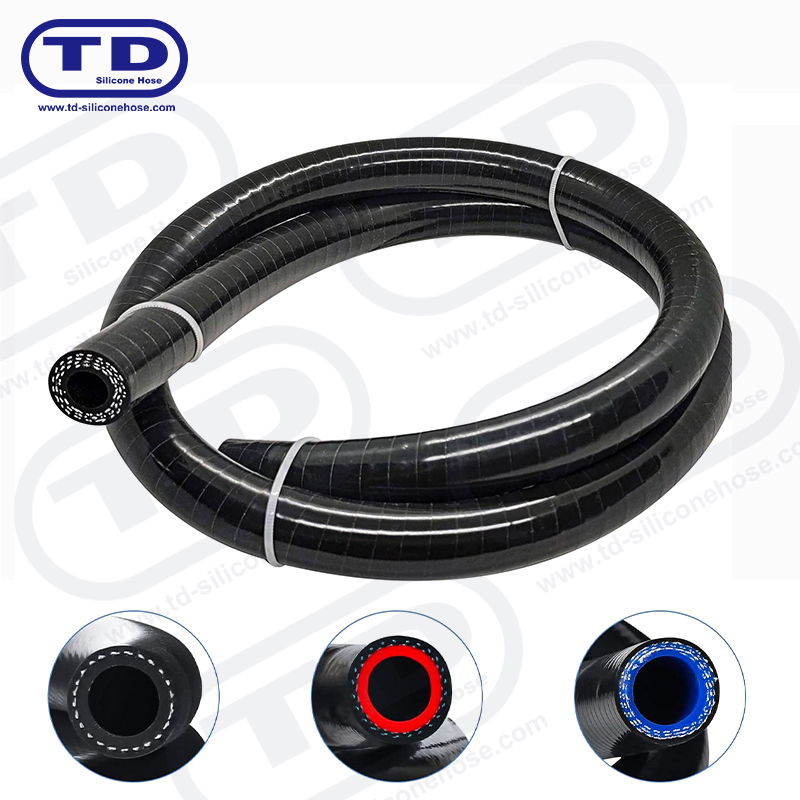
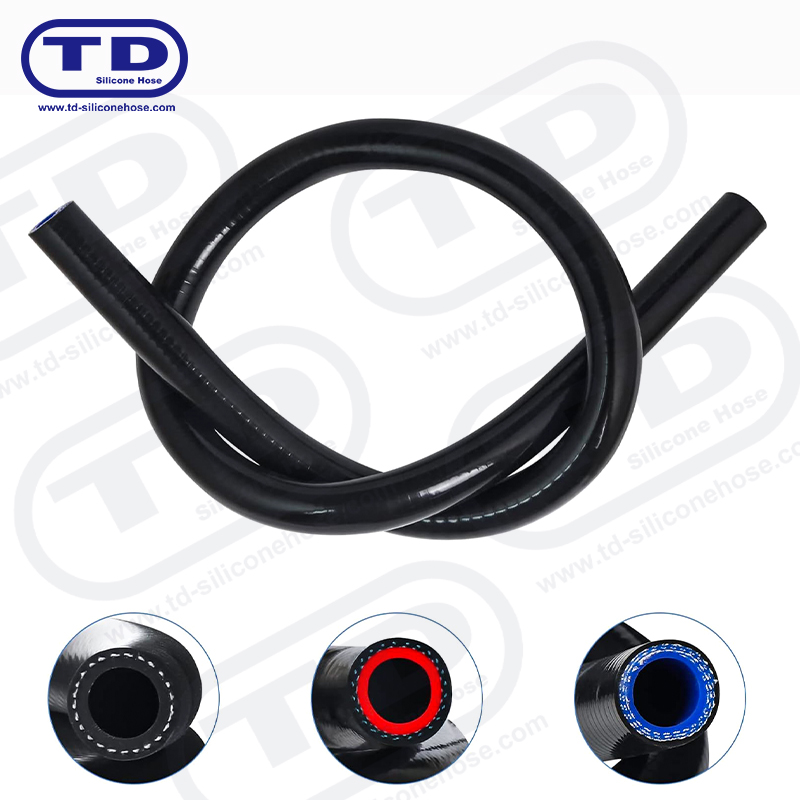
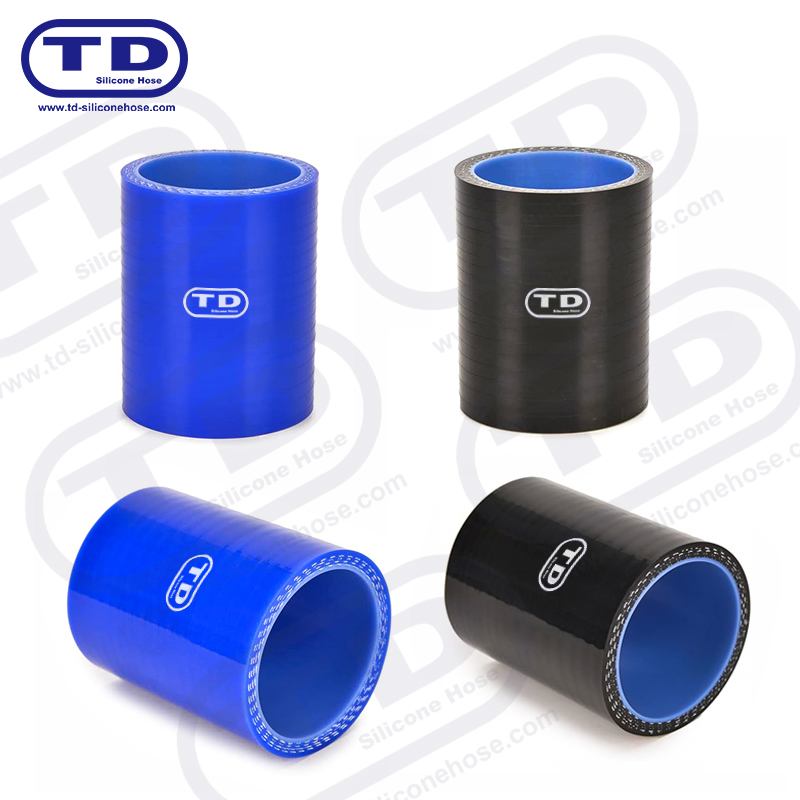
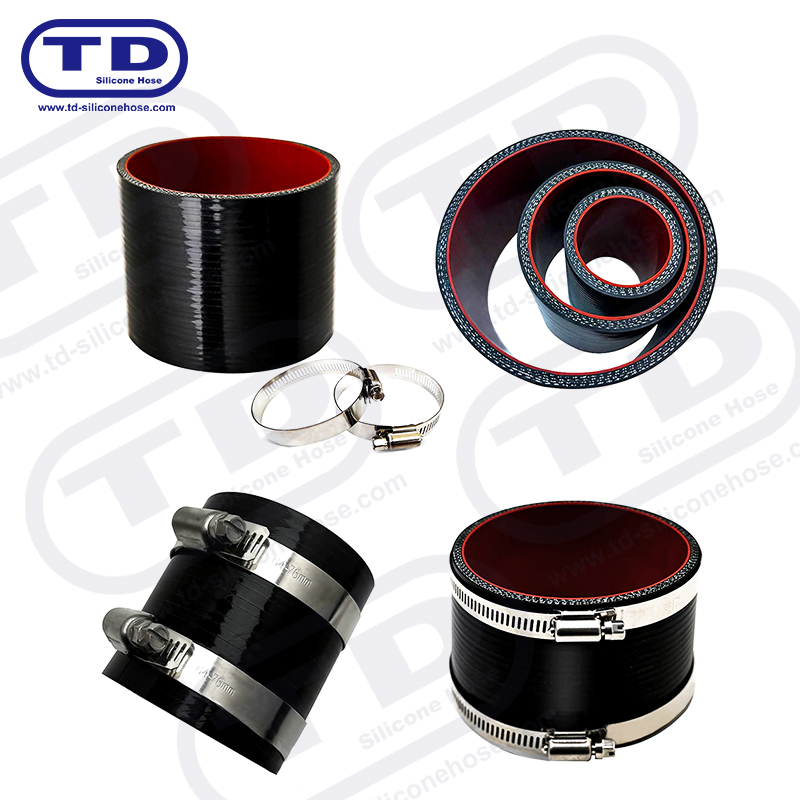
- Coolant hoses: Typically 3-ply with a polyester reinforcement layer between silicone layers, rated for coolant system pressure and heat. This is the most common silicone upgrade because coolant hoses fail the most predictably as rubber ages.
- Turbo / intake charge pipes and couplers: Usually 4-ply or higher for added burst-pressure margin under boost, since these see both heat and pressure cycling simultaneously.
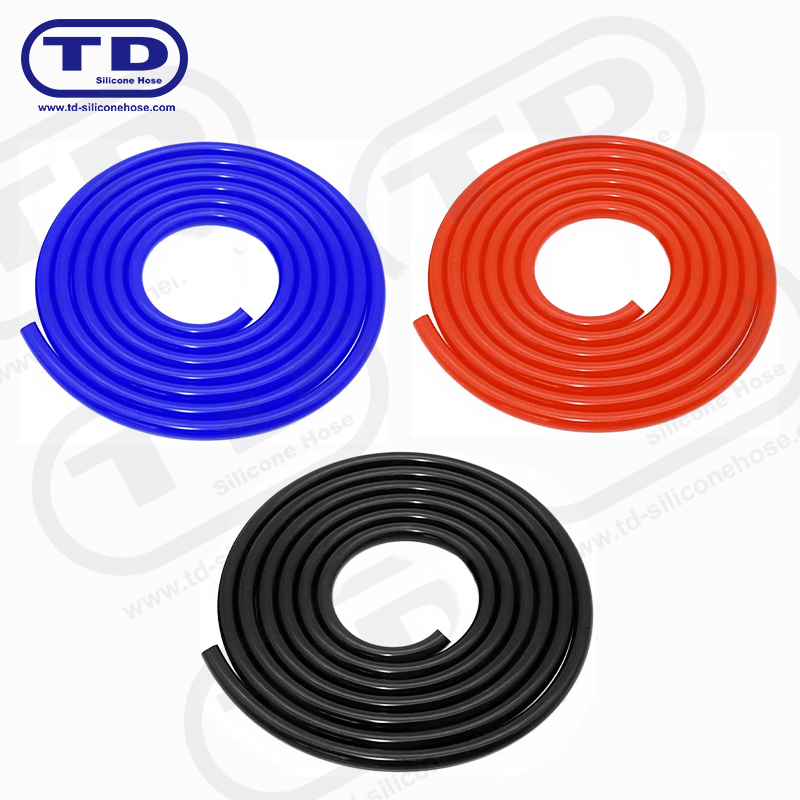
- Vacuum and PCV hoses: Thinner-wall silicone designed for flexibility around tight routing, prioritizing heat resistance over burst pressure since these lines don't see high pressure.
- Heater core hoses: Similar spec to coolant hoses but sized for the smaller heater core connections; often overlooked in full hose-kit upgrades.
Universal Automotive Pure Silicone Hose : What to Check Before Buying
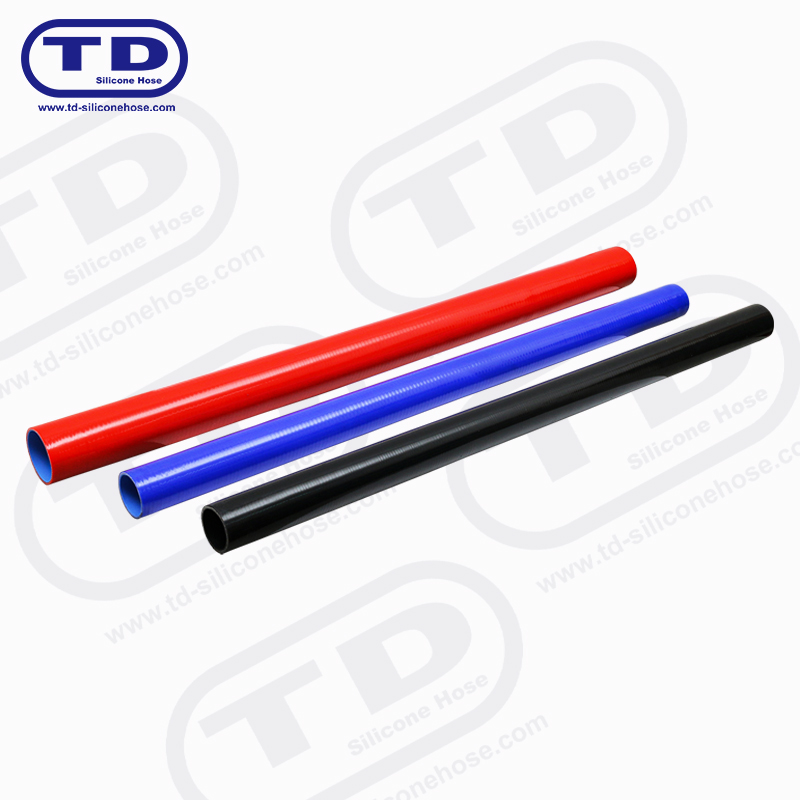
"Universal" silicone hose — sold as straight lengths, elbows, and reducers rather than vehicle-specific kits — is common for custom intake and intercooler piping projects. Because it's not matched to a specific make and model, a few extra checks matter before purchase.
- Confirm pure silicone, not a silicone-coated blend. Some budget hose is rubber or a composite core with only a silicone outer coating, which loses most of the heat and longevity benefit while looking similar from the outside. Genuine multi-ply pure silicone should list the ply count and reinforcement material in the spec sheet.
- Match the inside diameter precisely. Universal hose is sold in fixed ID increments (commonly 1.5", 2", 2.5", 3", etc.); a hose even slightly oversized relies entirely on clamp pressure to seal and is more likely to leak under boost.
- Check the burst pressure rating against your boost target. A hose rated well above your actual operating pressure provides a real safety margin rather than running at its rated limit continuously.
- Verify temperature rating for the specific location. A hose rated for general engine bay use may not match the higher spec needed directly at the turbo outlet; check the rating against where the hose will actually sit.
- Use the correct clamps. T-bolt clamps distribute pressure more evenly around silicone hose than standard worm-gear clamps and are the standard pairing for boosted applications — pairing a quality hose with the wrong clamp undercuts the upgrade.
300–350°F Typical continuous heat tolerance of pure silicone hose
8–10 yrs Typical service life vs. 3–5 years for standard rubber
4-ply Common reinforcement spec for boosted turbo/intercooler hose
Common Misconceptions to Avoid
- "Silicone hoses add horsepower." They don't directly. Any perceived gain usually comes from fixing a leaking or collapsing rubber connection that was already restricting airflow — the silicone hose is correcting a problem, not creating new power.
- "Any bright-colored hose kit is performance-grade." Color is cosmetic. Ply count, reinforcement material, and burst pressure rating are the specs that actually determine performance, and low-quality hose is sold in the same bright colors as premium hose.
- "Silicone hose never needs replacing." It lasts significantly longer than rubber, but clamps loosen, hoses can still be damaged by abrasion or debris, and periodic inspection is still worthwhile — especially on track-driven or high-boost setups.
- "Universal hose fits any application without modification." Universal hose requires more careful diameter matching and often some trimming to fit properly; it isn't a drop-in replacement the way a vehicle-specific kit is.
Final Takeaway
Silicone hose makes a real, well-documented difference in heat tolerance and service life over standard rubber — the upgrade is most worthwhile on turbocharged, track-driven, or high-heat-climate vehicles, and least urgent on mild daily commuters. When buying, prioritize confirmed pure-silicone construction, correct diameter and ply count for the application, and proper clamps over hose color or marketing claims about horsepower.
私たちの製品//
Ningbo Tiandai Auto Parts Co.、Ltd。 無断転載を禁じます。すべて予約済み。
